Tesla Defers Unsupervised FSD to 2027, Limiting Feature to Robotaxi Zones
The automator’s AI chief clarified that customer vehicles will operate autonomously only within existing Robotaxi service areas, a narrower scope than previous marketing suggested.
By Emily Carter ·
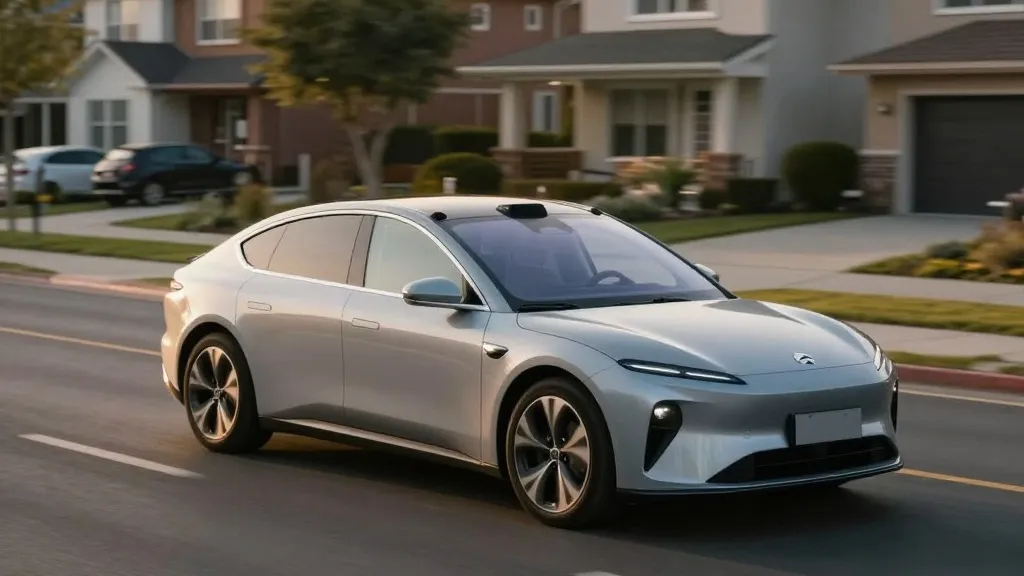
Tesla has officially set a target of the second quarter of 2027 for the deployment of unsupervised Full Self-Driving in customer-owned vehicles, a timeline that extends the wait for a feature promised for nearly a decade. During the company’s third-quarter 2026 earnings call held today, AI leader Ashok Elluswamy provided the update, addressing a question submitted by retail shareholders representing approximately 1.1 million shares. The response clarified that the rollout will not be a universal software update enabling drivers to travel anywhere in their personal cars, but rather an integration of owner vehicles into Tesla’s managed Robotaxi network.
Under this new framework, a Tesla owner’s car will only drive without supervision within the specific geographic boundaries where the company’s Robotaxi service is already active. This distinction marks a significant shift from the original marketing pitch, which suggested that a future update would allow vehicles to navigate any location. Instead, the capability is tethered to the operational zones of the Robotaxi fleet, meaning personal use is restricted to areas where the commercial service is live.
The current scale of these autonomous zones is limited. Tesla’s Robotaxi service operates in six U.S. metropolitan areas, but the service areas cover only small portions of these cities. For instance, the Miami zone primarily encompasses West Miami and a corridor toward Doral and Sweetwater, while Orlando and Tampa launched in July with similarly constrained geofences. Within these areas, the vehicles generally adhere to low-speed routes, avoid highways, and steer clear of complex urban environments. Notably, in the Bay Area, the service is not yet unsupervised because Tesla has not secured the necessary California DMV exemption to remove safety drivers, a regulatory hurdle it faces because it does not wish to release data required for operations beyond Level 2 autonomy.
The fleet supporting this system remains modest. Tesla reported that its Robotaxi network had accumulated nearly 2 million unsupervised miles by the end of the third quarter, a month after the Cybercab model joined the Austin fleet. Third-party tracking data from earlier this year indicated that only dozens of fully driverless Teslas were on the road, a fraction of the hundreds of thousands previously envisioned by CEO Elon Musk. In contrast, competitor Waymo entered both Orlando and Tampa before Tesla and has already logged over 3 million miles in its service.
This development follows a history of shifting timelines and evolving promises. In July 2025, Musk stated that unsupervised FSD would be available for personal use in certain geographies by the end of that year. A year prior, he expressed surprise if the technology was not realized by the following year. Complicating matters for existing owners, those with Hardware 3 units have been informed that their computers cannot run unsupervised FSD, with no clear upgrade path outlined. The current plan thus represents a narrower product: a vehicle that joins Tesla’s fleet within specific zones, under the company’s operational control.
Elluswamy reiterated that safety remains the primary bottleneck for expansion, which is why the system is currently restricted to lower-speed roads and less challenging environments. He estimated that these safety constraints could be resolved by next year, though he acknowledged uncertainty regarding the precise timing. For shareholders and buyers, the stakes are clear: the vision of a car that drives anywhere while the owner sleeps has been replaced by a more limited service where personal vehicles function as part of a commercial Robotaxi grid within defined city limits.
Source: Electrek